

Stretch fabrics have transformed modern apparel, especially in sportswear, athleisure, and performance clothing. However, when it comes to Silk Screen Printing, stretch materials introduce unique challenges that directly impact print quality, durability, and appearance. Understanding these factors helps brands and businesses achieve better results and longer-lasting prints.
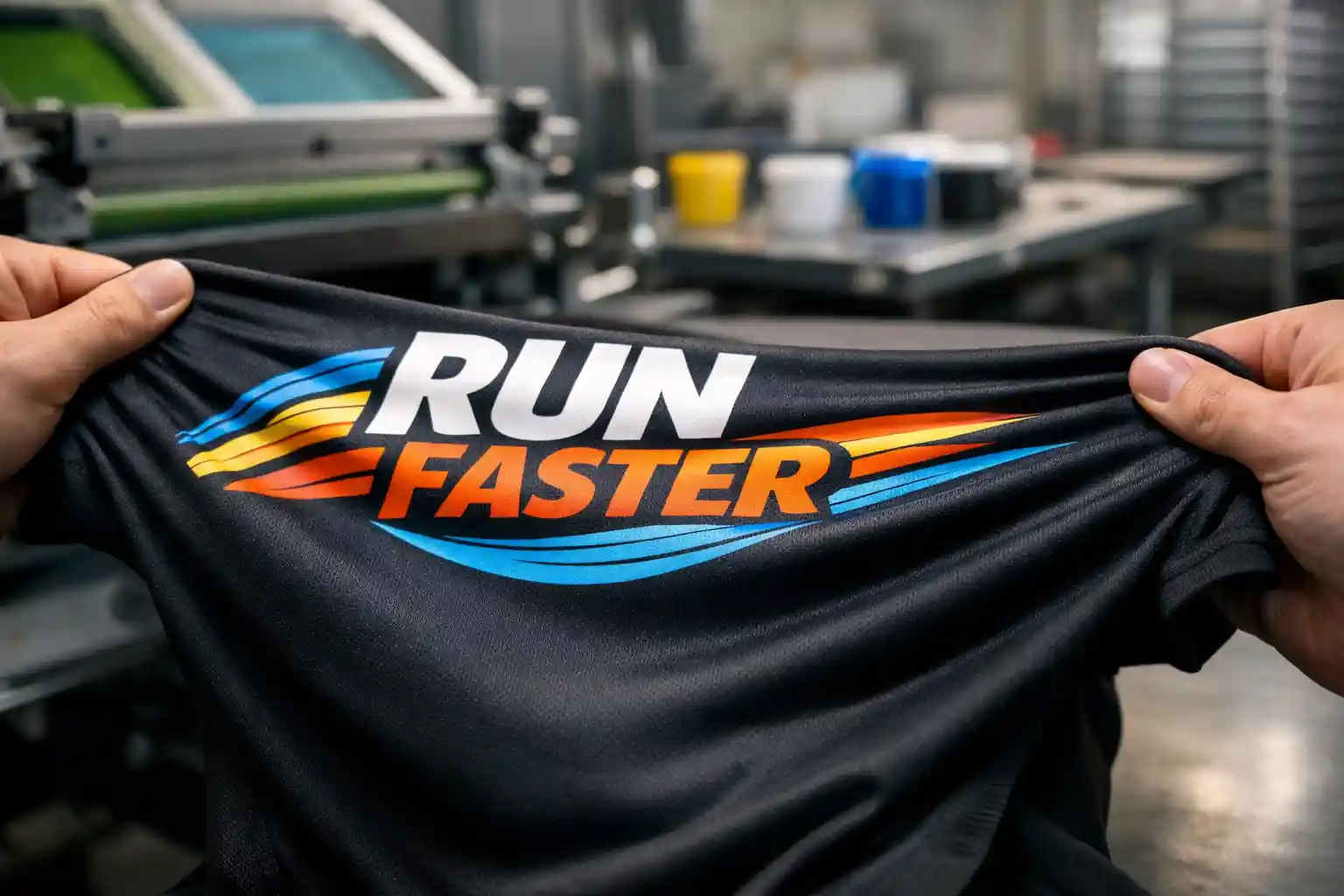
Stretch fabrics such as spandex, elastane, and Lycra behave differently under tension. Unlike cotton or polyester, these materials expand and contract during wear. As a result, Silk Screen Printing on stretch fabrics must accommodate constant movement.
When ink lacks flexibility, cracking and distortion often occur. Therefore, ink selection and curing techniques play a critical role in preserving print quality.
As fabric stretches, rigid ink layers can break apart. This issue is common when standard plastisol inks are used without additives.
Fine details may distort once the garment is worn. Because stretch fabrics expand, printed designs can appear thinner or uneven.
Stretch materials often have smooth surfaces. Consequently, ink may not bond effectively without proper preparation.
Low-bleed plastisol with stretch additives or water-based stretch inks improve flexibility and reduce cracking.
Lower mesh counts allow thicker ink deposits. This approach helps prints move with the fabric rather than resist it.
Under-curing weakens adhesion, while over-curing stiffens ink. Balanced curing ensures elasticity without sacrificing durability.
Fabric composition directly affects how long prints last. While Silk Screen Printing works well on stretch fabrics, results depend on technical precision. In addition, testing prints before full production prevents costly mistakes.
For professional printing solutions tailored to performance fabrics, explore our services at ShopD2S.
Screen Printing Ink Guide – https://www.screenprinting.com/blogs/news
Printing on Stretch Fabrics – https://www.printwearmag.com/