

Choosing the right fabric is one of the most important steps in any embroidery project. The fabric affects stitch quality, durability, and the final appearance of your design. Therefore, understanding the best fabric types for embroidery helps you achieve professional and long-lasting results. Whether you are working on apparel, accessories, or branding items, fabric selection plays a key role in success.
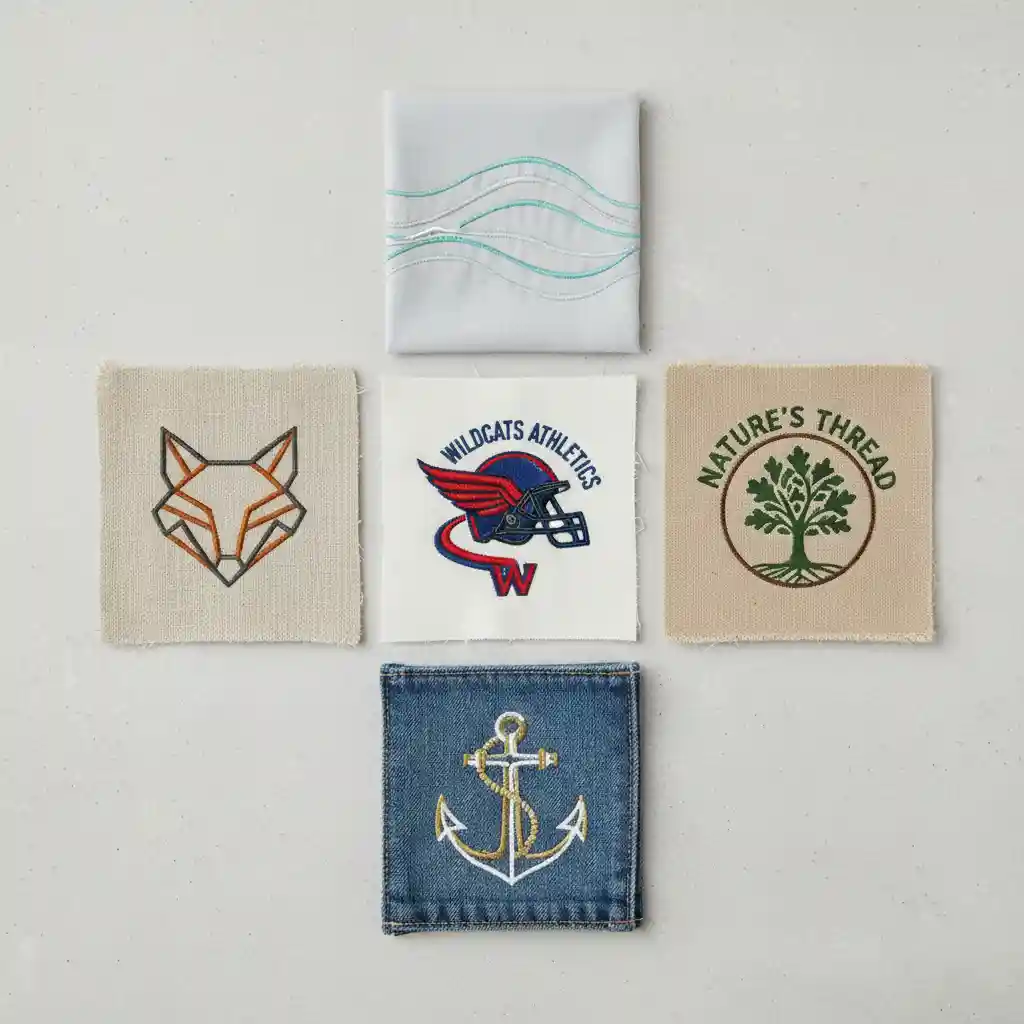
Embroidery interacts directly with fabric fibers. Some fabrics hold stitches firmly, while others may stretch or pucker. As a result, selecting embroidery-friendly fabrics reduces thread breakage, improves design clarity, and ensures consistent stitch tension. According to embroidery experts, stable fabrics always produce cleaner results than loosely woven ones.
Learn more about embroidery fundamentals from Wikipedia – Embroidery.
Cotton is one of the best fabric types for embroidery due to its smooth texture and durability. It supports both hand and machine embroidery effectively. In addition, cotton holds stitches evenly, which helps prevent distortion.
Cotton works especially well for:
T-shirts
Tote bags
Home décor items
For custom branding needs, cotton garments embroidered by professionals like ShopD2S deliver reliable quality and long-term wear.
Linen is another excellent choice for embroidery projects. It has a natural weave that enhances traditional and decorative embroidery styles. Although linen wrinkles easily, it provides strong fiber support for intricate designs.
Moreover, linen is ideal for:
Table linens
Decorative wall art
Vintage-style embroidery
To improve stitching results, stabilizers are often recommended when working with linen.
Denim is widely used in embroidered jackets, caps, and bags. Since it is thick and durable, it handles dense embroidery designs very well. However, using sharp needles and proper backing is essential to avoid skipped stitches.
Denim embroidery is commonly used in fashion branding and promotional apparel. You can explore high-quality embroidered denim services at ShopD2S embroidery solutions.
Canvas and twill fabrics are popular for structured embroidery projects. These fabrics provide strong resistance against pulling and puckering. Consequently, they are often used for:
Backpacks
Caps
Workwear
Their tight weave supports logos and lettering, making them ideal for commercial embroidery applications.
Polyester fabrics are commonly used in sportswear and corporate apparel. While polyester is durable, it can be sensitive to heat. Therefore, proper machine settings are crucial during embroidery.
Polyester blends offer flexibility and strength, making them suitable for:
Performance apparel
Uniforms
Promotional items
For best results, professional embroidery services are recommended when working with synthetic fabrics.
Some fabrics are less suitable for embroidery due to excessive stretch or loose weave. These include:
Lightweight silk
Chiffon
Very thin knits
Although embroidery is possible on these materials, advanced techniques and stabilizers are required to prevent damage.
Selecting the best fabric types for embroidery ensures clean stitches, durability, and visual appeal. Cotton, linen, denim, canvas, and polyester blends remain the top choices for most embroidery projects. By matching your design with the right fabric, you can achieve professional-quality results every time. For custom embroidery solutions, trusted providers like ShopD2S offer expert guidance and production support.