

Brand identity is no longer just about logos. Instead, it is about how your brand is experienced. Custom embroidery for branding delivers a premium, tactile impression that printed designs often fail to match. Because embroidery lasts longer and looks refined, it becomes a strategic branding investment rather than a short-term solution.
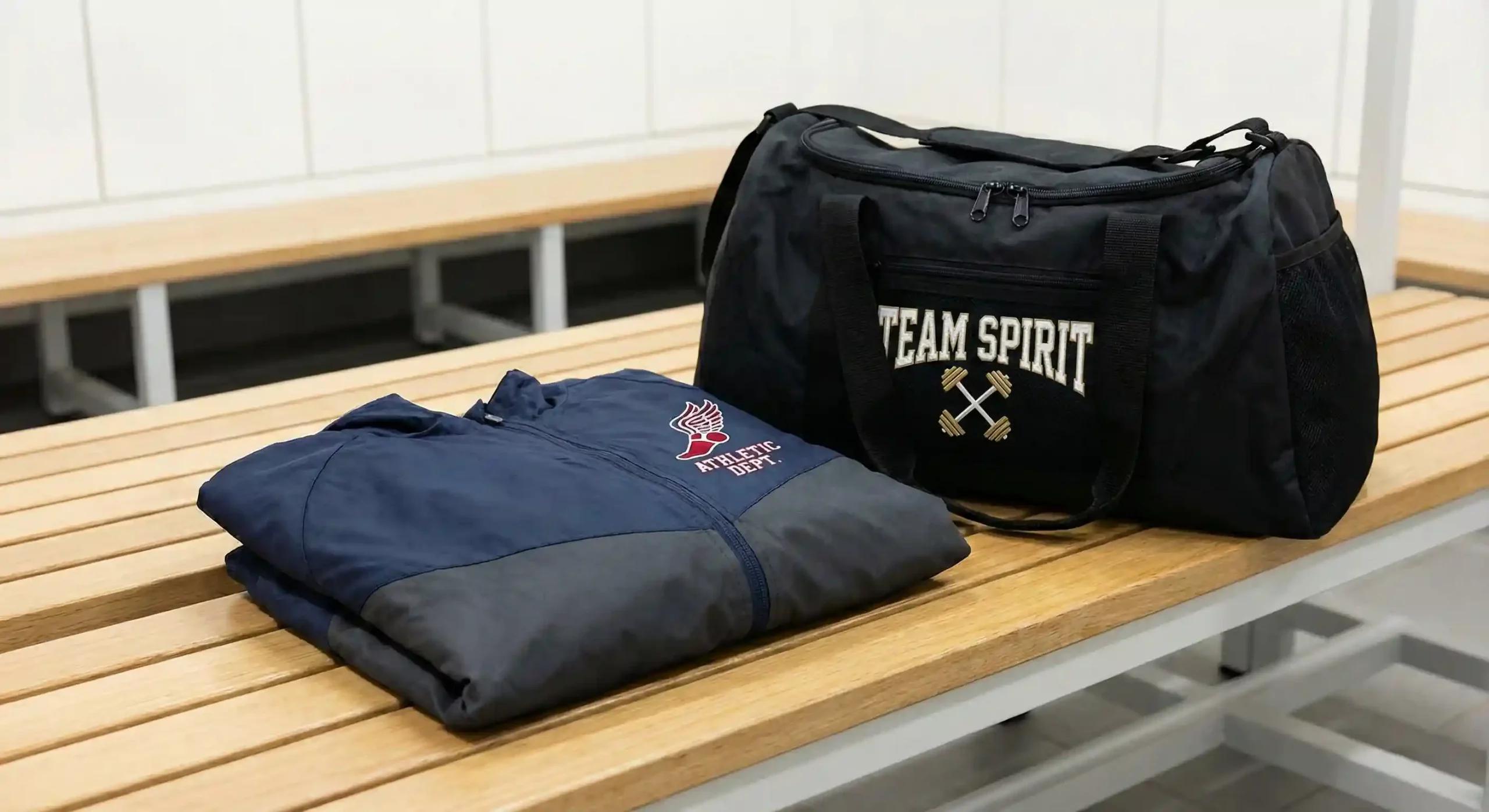
Before designing, the purpose should be clearly identified. A fashion patch often focuses on aesthetics, while a branding patch prioritizes logo clarity. Meanwhile, club or team patches usually highlight symbols and text.
When the goal is clear, design decisions become easier and more effective.
Patch size should match the placement area. Jackets usually allow larger patches, while bags often require compact designs. Common shapes include circles, shields, and rectangles, although custom-cut borders can add uniqueness.
For embroidery, overly small details should be avoided. Clean shapes translate better into stitches and maintain readability.
Thread colors behave differently than printed ink. Therefore, high-contrast color combinations are recommended. Limited color palettes often produce a more premium embroidered look.
Additionally, colors should complement the jacket or bag fabric. This balance ensures the custom embroidery patch enhances the product rather than overpowering it.
Embroidery works best with simplified designs. Fine lines, gradients, and tiny text may not stitch cleanly. Instead, bold lines and solid areas should be used.
Digitizing software will convert your artwork into stitch paths. To learn more about this process, you can review Embroidery Digitizing Basics from Madeira:
https://www.madeirausa.com/embroidery-digitizing-basics/
Different stitch types create different effects. Satin stitches are ideal for borders and text, while fill stitches work well for larger areas. For added depth, 3D puff embroidery can be considered, especially for jackets.
You can also explore stitch styles offered by professional embroidery services like ShopD2S Custom Embroidery:
https://shopd2s.com/
Patch backing determines how it will be applied. Iron-on backing is popular for casual use, while sew-on backing offers maximum durability. Velcro backing is often chosen for tactical bags and uniforms.
Each option supports different use cases, so the final decision should match how the patch will be worn.
A sample patch should always be produced before bulk orders. This step allows adjustments in size, color, or stitch density. As a result, production errors are minimized and quality is ensured.
Custom embroidery patches for jackets and bags are durable, versatile, and timeless. They resist wear better than prints and maintain their appearance over time. Because of this, they are widely used by fashion brands, businesses, and organizations.
For inspiration, you may also explore Patch Design Trends by The/Studio:
https://www.thestudio.com/resources/patch-design-guide/