

Embroidery digitizing has become an essential process for businesses and creators who want clean, professional, and high-quality embroidery results. Understanding how embroidery digitizing works allows brands, designers, and hobbyists to transform artwork into stunning stitched designs with consistent accuracy.
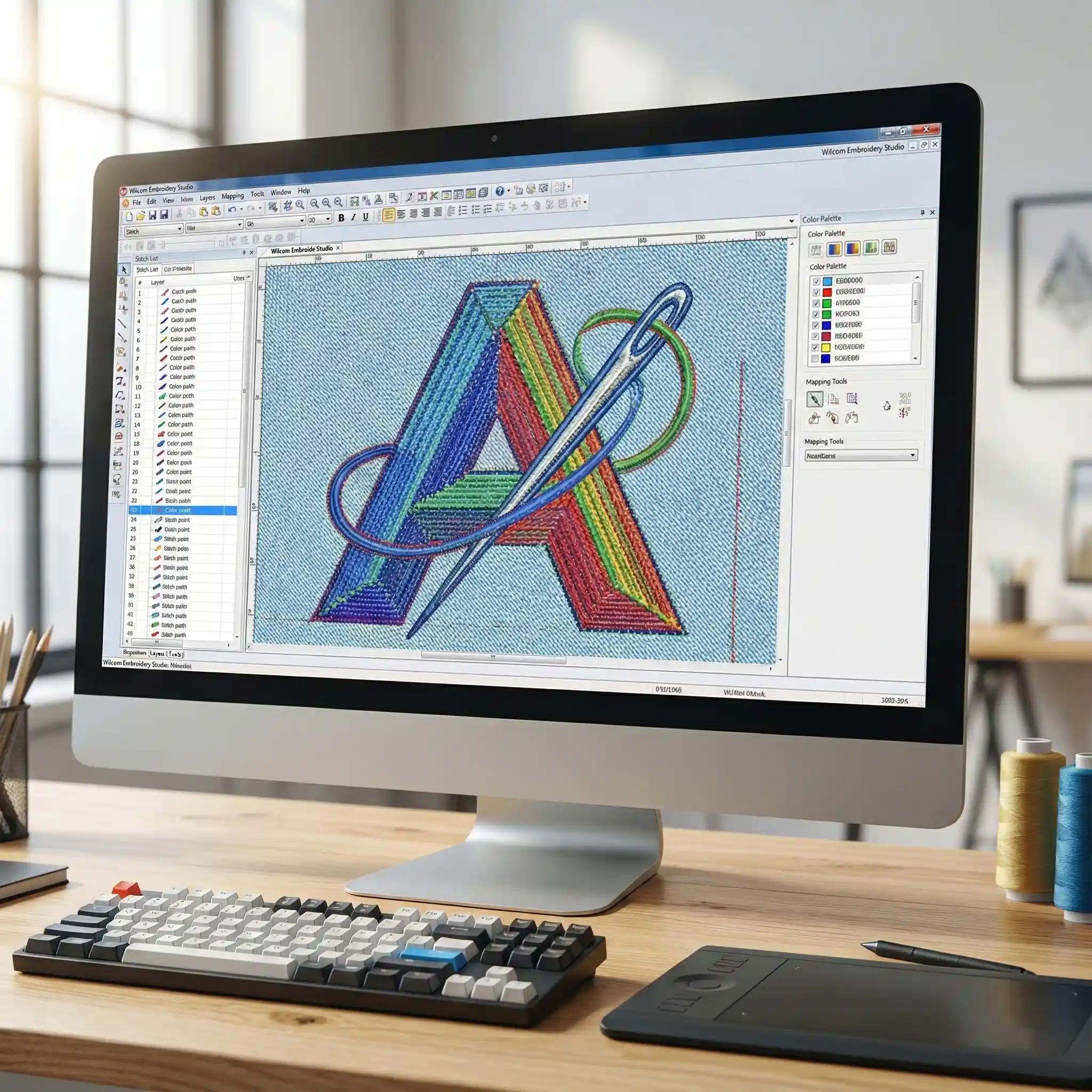
Embroidery digitizing is the technological process of converting artwork into a stitch file that embroidery machines can read. Rather than simply scanning an image, digitizing uses specialized software to map out stitch types, directions, densities, and underlay patterns.
This method ensures that every embroidered design looks crisp, durable, and visually balanced.
Understanding Embroidery Digitizing Basics – https://www.embroiderersguild.com/
Machine Embroidery Guide – https://www.creativewithworkshops.com/
A common misconception is that any image can be tossed into a machine and stitched. However, good embroidery depend heavily on precise digitizing.
When embroidery digitizing is done correctly, you gain:
Smooth outlines
Even stitch density
Professional finishing
Reliable reproduction in bulk
Poor digitizing, on the other hand, leads to thread breaks, puckering, and uneven stitching.
To avoid these issues, many businesses rely on experienced digitizers or professional services like ShopD2S for consistent results.
Internal Link: https://shopd2s.com/
Embroidery Machine Tips and Tools – https://www.thesprucecrafts.com/
The digitizing workflow follows key steps to prepare artwork for embroidery placement:
The image must be clean, high-resolution, and suitable for stitching.
Digitizers assign:
Satin stitches
Fill stitches
Running stitches
These choices depend on size, texture, and fabric type.
Stitch direction influences the shine and look of the final design. Density determines how thick and durable the embroidery will be.
The file is saved in formats such as DST, PES, or EXP depending on machine compatibility.
A well-crafted stitch file ensures production efficiency. Here’s what you gain from a reliable digitizing service:
Accurate reproduction of logos
Faster machine run-time
Lower thread waste
Extended fabric durability
Enhanced brand representation
Link to Service Category: https://shopd2s.com/
Digitizing Techniques Guide – https://www.urbanthreads.com/
Before selecting a provider, review:
Experience with embroidery digitizing
Sample work
Understanding of fabric behavior
Turnaround time
Pricing transparency
Companies that offer both embroidery and digitizing services, like ShopD2S, provide consistent quality from digital design to final stitched output.